Healing Room
Human Centered Design
Project Overview
As an extension of the UCI CARE office, we aim to explore ways to provide visitors with resource assistance, engagement, and holistic healing tools.





Our group was introduced to the UCI CARE Office, a division of Student Affairs at UC Irvine. “CARE” stands for Campus Assault Resources and Education. Its office was established in 2005 and provides “free and confidential support services to members of the UCI community impacted by sexual assault, relationship abuse, family violence, and/or stalking.”
We asked what/if other avenues of technology might not be sufficiently serving the CARE office. Additionally, what new technology or changes to their existing configuration could be made to better meet the needs of the CARE staff and the community they serve? We decided to further investigate how exactly we can better assist the CARE staff with the intention of improving how current technology is being used by both staff and users.
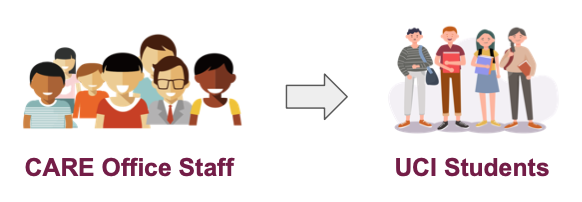
We intend to better understand how the CARE office currently runs and how technology helps support them in their activities. Through examining how technology plays a role in their office, we can better identify their technological needs.
We intend to better understand how the CARE office currently runs and how technology helps support them in their activities. Through examining how technology plays a role in their office, we can better identify their technological needs.
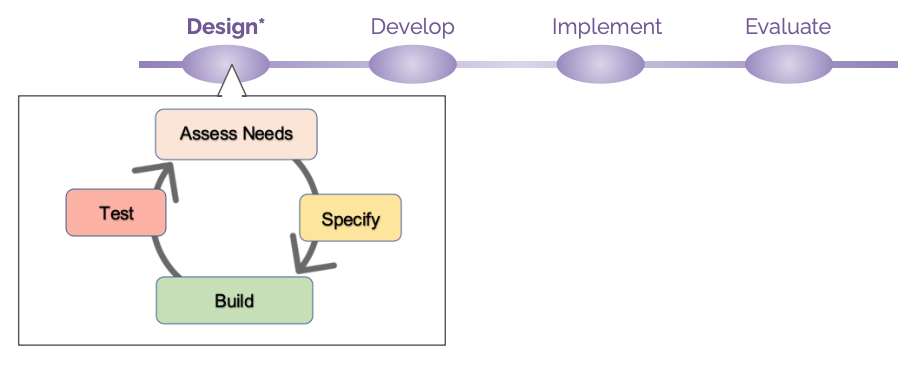
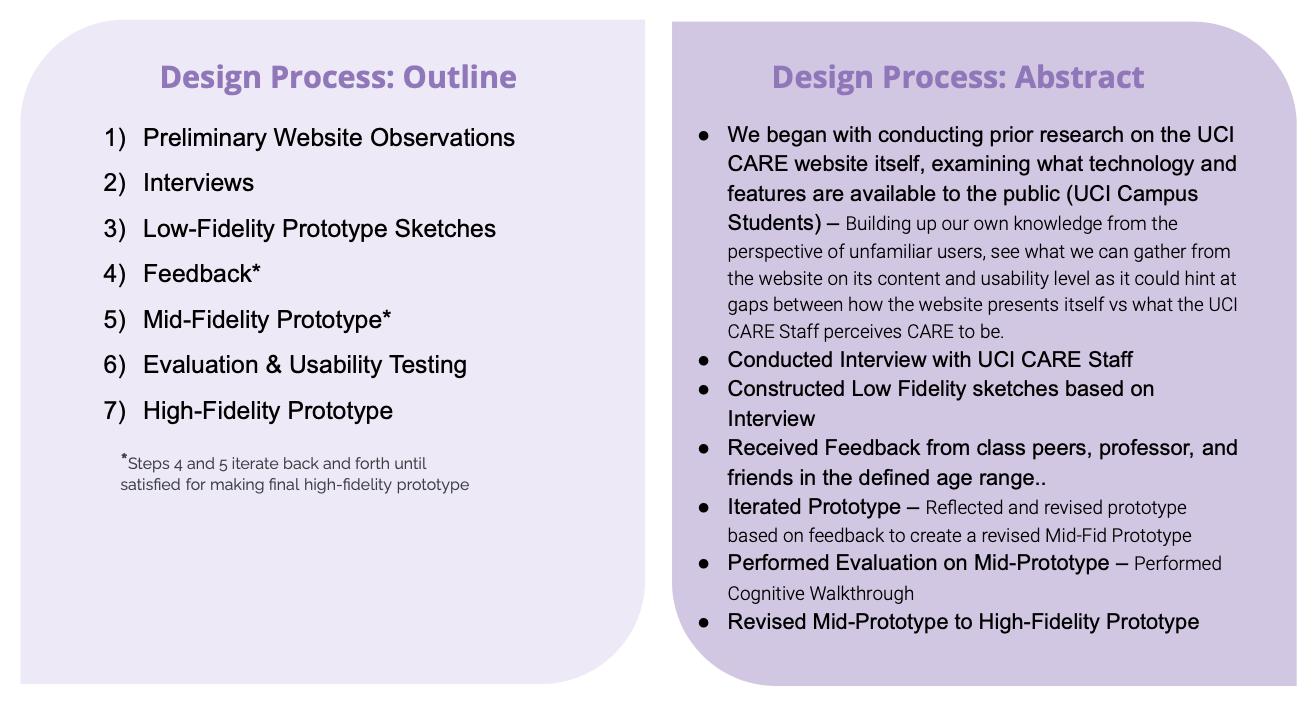
The method of interviewing was used to collect data for our research. We sought to understand the extent to which technology was utilized by the CARE staff and the community they serve, any improvements they foresaw benefiting their community, and to identify any additional technology needs. Through interviewing, we were familiarized with the inner workings of the CARE office and learned what tasks they carry out, who they interact with, learned their routine, and gained insight of their own personal opinion about how technology intersects with their work and the population that they serve.
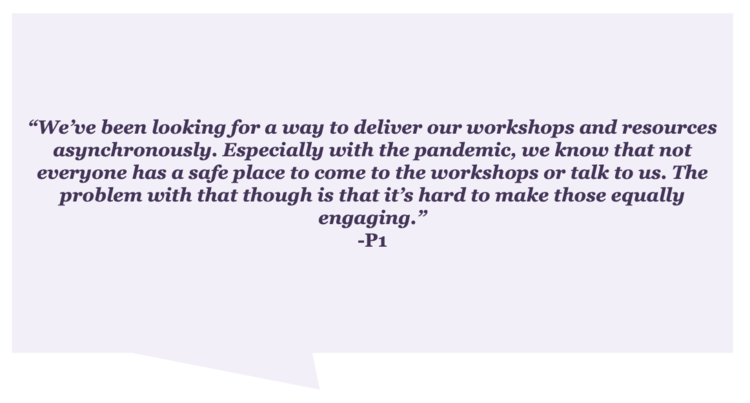
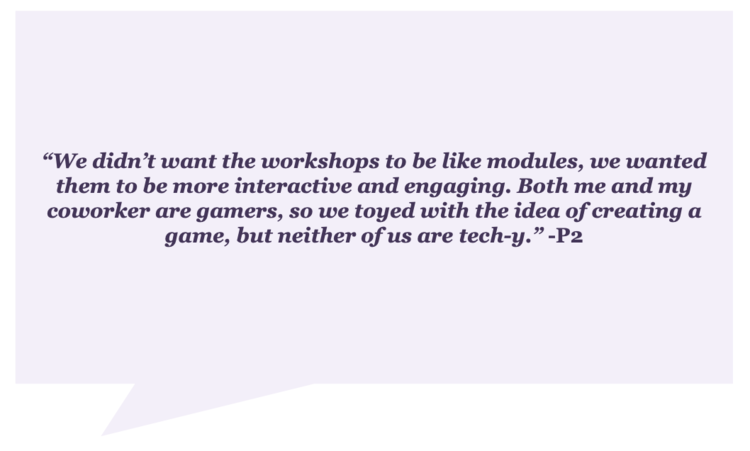
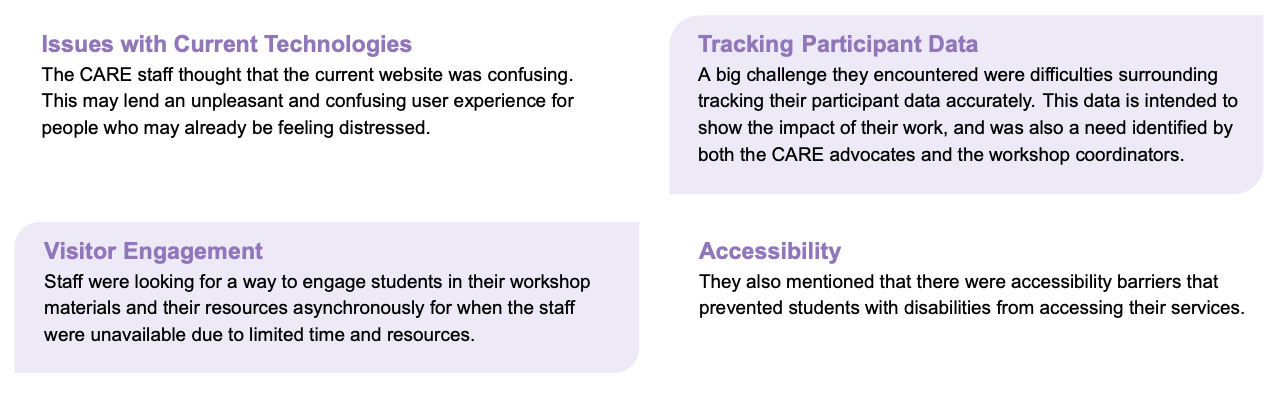
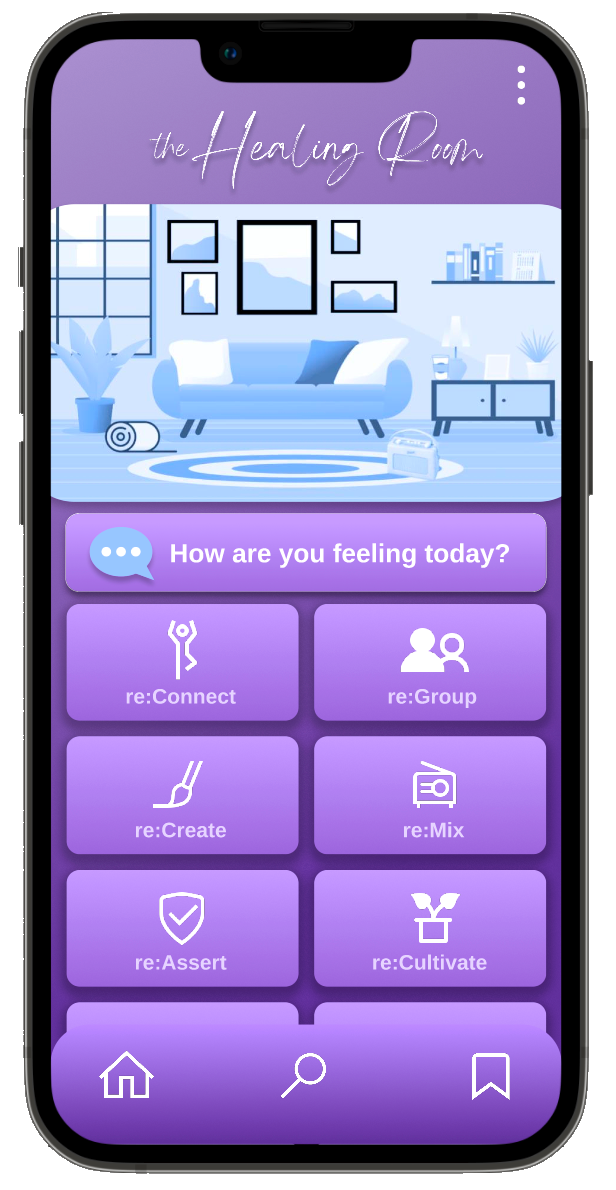
From our findings, we chose to focus on Visitor Engagement for our course project. We intend to create prototypes of an application that offers a virtual healing room that would provide access to engaging, asynchronous self care and healing activities with a private, social, online support component, specific to the UCI community.
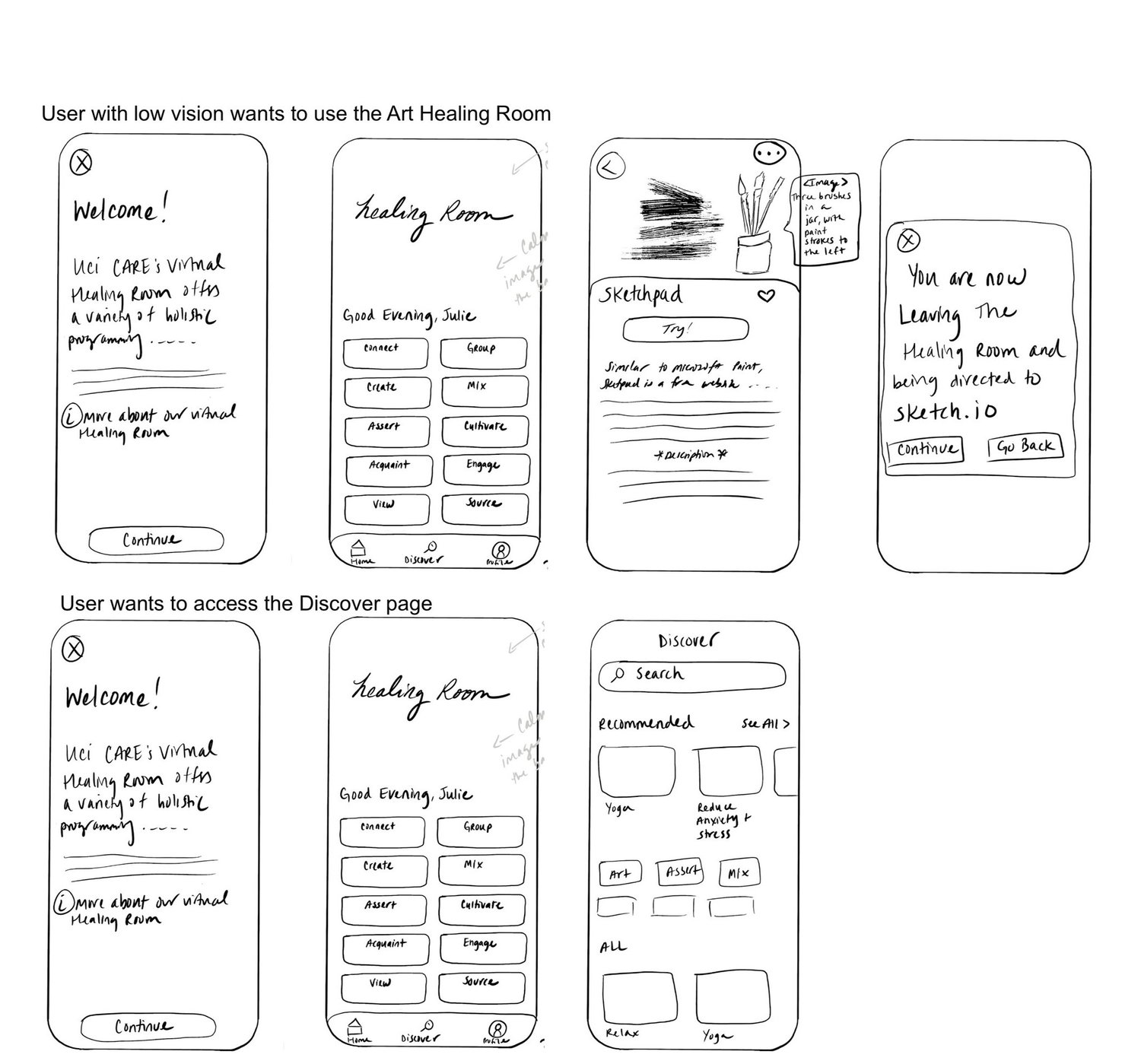
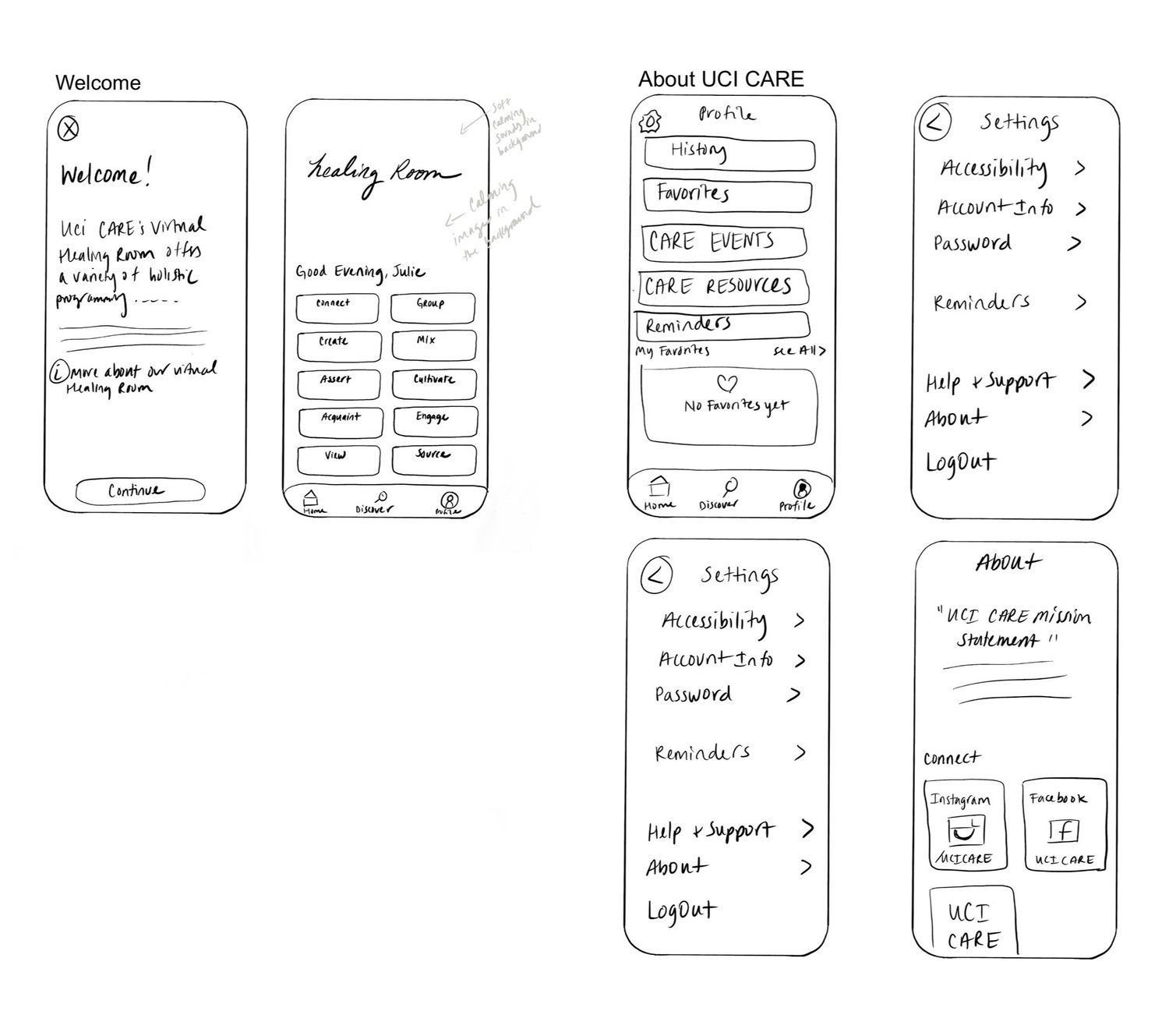
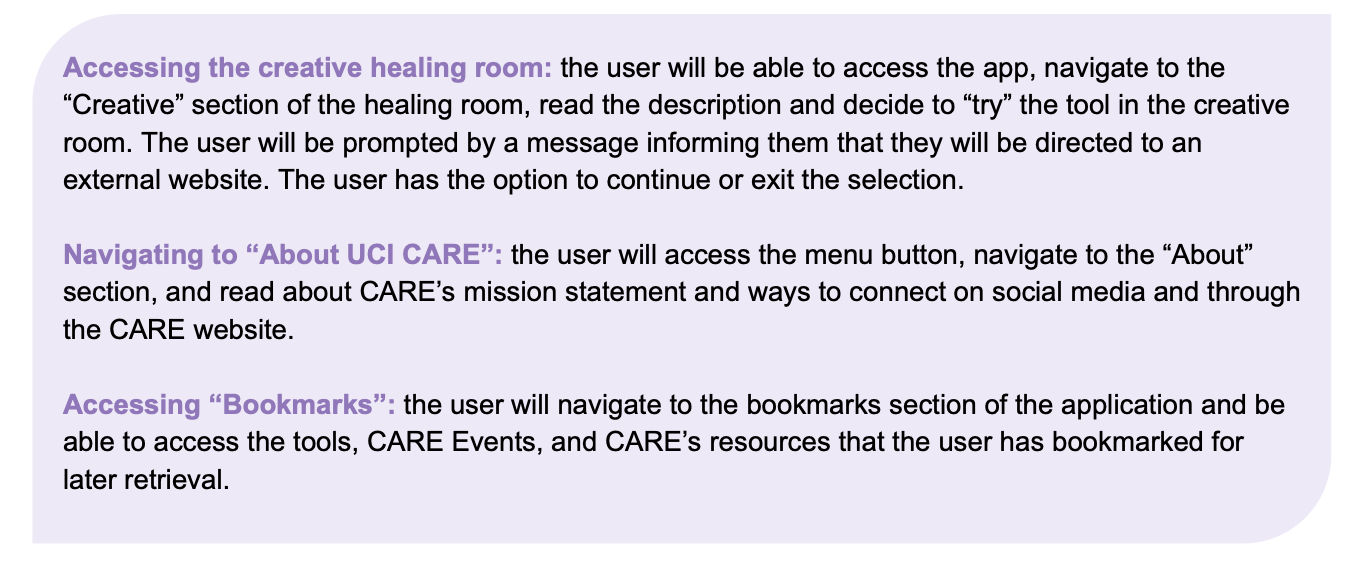
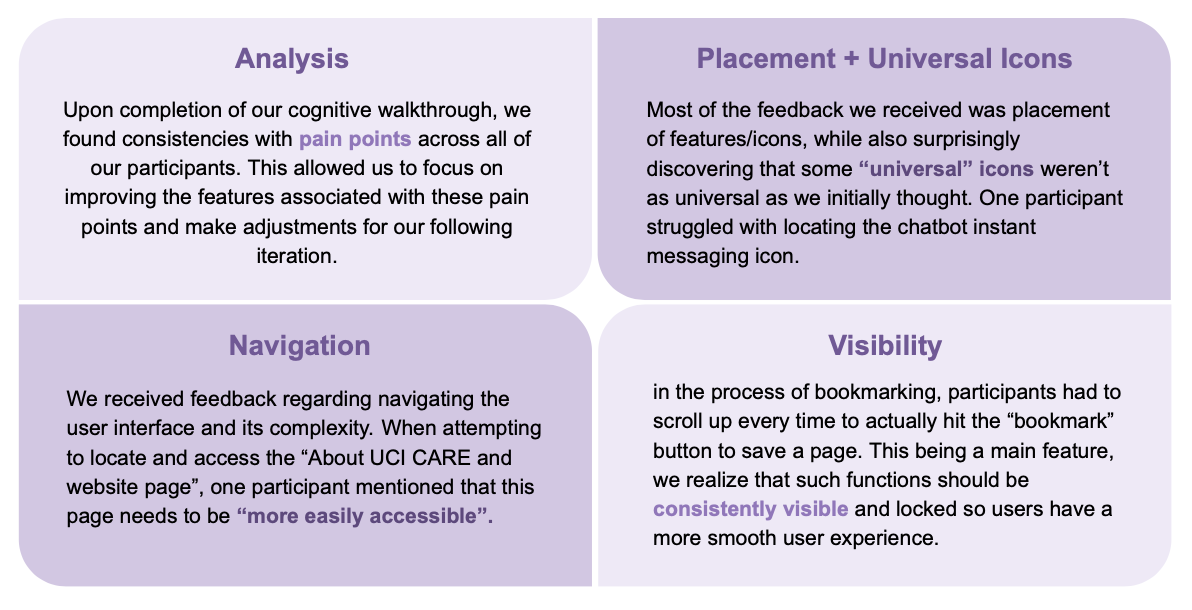
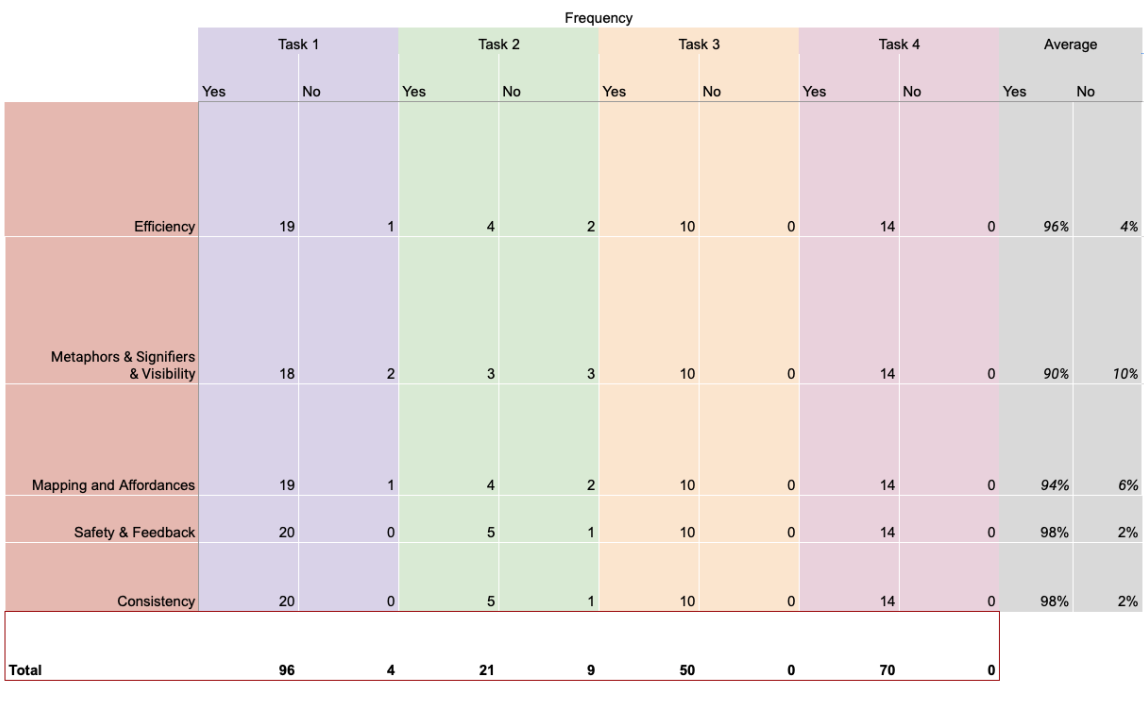
We performed a Cognitive Walkthrough with emphasis on usability for our final high-fidelity prototype. Our population sample consisted of people between the ages of 18- 30 (with our specific sample ending up ranging from 24 -27) we determined that this would be an appropriate sample with target users of CARE being university students. We interviewed a total of three people within our defined age range where they performed 4 tasks, each task was evaluated based on efficiency, visibility, mappings & affordances, safety & feedback, and consistency.